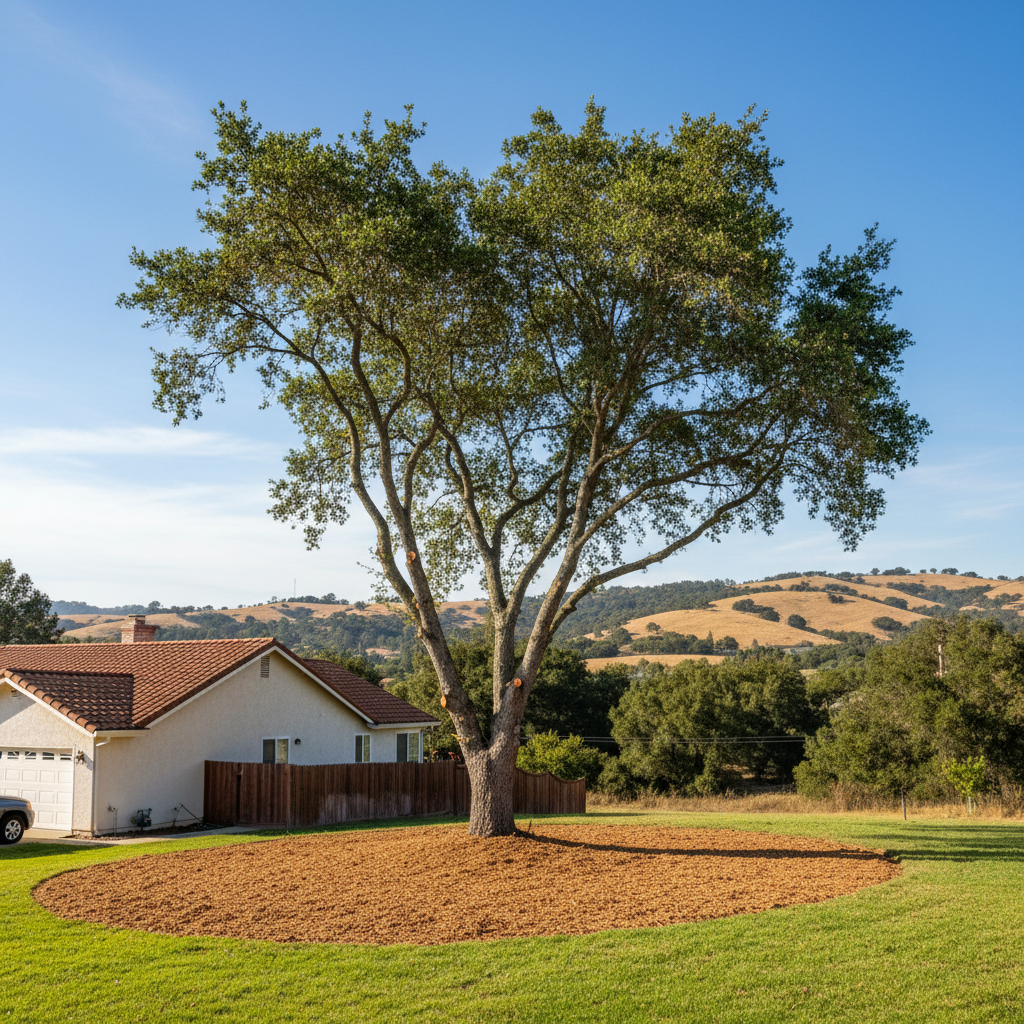
You just had your trees trimmed, and they look fantastic. The canopy is open, the dead branches are gone, and everything feels tidier. But that fresh look won't last forever if you don't do a little follow-up. Think of it like getting your car detailed; it looks great leaving the shop, but you still need to wash it regularly.
Here in San Lorenzo, with our mild winters and dry summers, trees grow pretty steadily. That means maintenance isn't a 'one and done' deal. You want to make sure your investment in professional trimming really pays off over the long haul, keeping your trees healthy and your property safe.
Extending the Life of Your Tree Trimming
So, how do you make that professional trim last? It's mostly about understanding how trees grow and what stresses them out. After a good trim, your trees are going to put out new growth. That's natural and healthy. The goal isn't to stop it, but to manage it.
Water Wisely: Especially after a significant trim, make sure your trees are getting enough water, but not too much. Deep, infrequent watering is usually better than shallow, frequent sprinkles. Our clay soils around San Lorenzo can hold water, so overwatering is a real risk, leading to root rot. Check the soil moisture a few inches down before you water again.
Mulch Matters: A good layer of organic mulch around the base of your tree (but not touching the trunk!) does wonders. It helps retain soil moisture, regulates soil temperature, and suppresses weeds that compete for nutrients. Plus, it breaks down over time, adding organic matter back into the soil.
Keep an Eye on New Growth: You don't need to be a professional arborist, but just generally observe your trees. Are new shoots growing in directions that will rub against each other? Are they growing too densely? Sometimes, a quick snip of a small, misplaced branch can prevent a bigger problem down the road. Just make sure you're using clean, sharp tools.
Avoid Damage: Be careful with lawnmowers and string trimmers around the base of your trees. Wounds to the trunk are entry points for pests and diseases. Keep weed whackers away and consider a small ring of mulch or groundcover to create a buffer zone.
What Regular Maintenance Looks Like
Regular maintenance isn't about getting out the chainsaw every few months. It's more about consistent, smaller actions that prevent big issues. For most mature trees, a professional trim every 3-5 years is a good general guideline, but that can vary wildly depending on the tree species and its growth rate. Some fast-growing trees, like certain eucalyptus varieties common here, might need attention more often.
Between those professional visits, here are some things you can do:
Daily Observation: Just look at your trees when you're outside. Are there any obvious broken branches? Is anything looking discolored? Catching problems early is key.
Clear Debris: Remove any fallen leaves or small branches from around the tree's base, especially if they're piling up. This helps with air circulation and reduces hiding spots for pests.
Prune Small, Dead Branches: If you see small branches (pencil-sized or smaller) that are clearly dead, you can often prune these yourself with hand pruners. Make clean cuts close to the branch collar. If you're unsure, or the branch is larger, leave it for the pros.
Check for Pests: Look for unusual spots on leaves, holes in the bark, or sticky residue. Pests can weaken a tree and make it more susceptible to disease, which can impact its structural integrity.
Warning Signs of Problems
Your trees usually tell you when something's wrong, you just need to know what to look for. Don't ignore these signs:
Dead or Dying Branches: Beyond a few small dead twigs, large dead branches are a major red flag. They can fall unexpectedly, posing a hazard.
Cracks or Splits in the Trunk or Major Limbs: These are serious structural issues that can lead to limb failure or even the entire tree coming down.
Excessive Leaning: If a tree suddenly starts leaning significantly, or if an existing lean seems to be getting worse, its root system might be compromised.
Fungus or Mushrooms at the Base: This can indicate root rot or decay within the trunk, which can weaken the tree's stability.
Cavities or Hollows: Large holes or hollow areas in the trunk or branches mean decay is present. The extent of the decay determines the risk.
Sudden Leaf Drop or Discoloration: If leaves are turning yellow or brown and falling off out of season, or if they look generally unhealthy, it could be a sign of disease, pest infestation, or environmental stress.
Branches Rubbing Together: This creates wounds that can become entry points for disease and pests.
When to Call a Professional
Knowing when to call in the experts is crucial for safety and the long-term health of your trees. Don't hesitate if you see any of the serious warning signs mentioned above. Here are some other times it's definitely time to pick up the phone:
Large Branches or Limbs Need Removal: Anything that requires a ladder, a saw larger than hand pruners, or that's close to power lines or your house. This is dangerous work best left to trained professionals like us at Charis Tree.
You Suspect Disease or Pest Infestation: An arborist can diagnose the problem and recommend the right course of action to save your tree, if possible.
After a Storm: High winds, especially during our occasional winter storms, can cause unseen damage. An inspection can identify compromised limbs before they become a hazard.
Tree is Growing Too Close to Structures: If branches are touching your roof, siding, or power lines, they need to be trimmed back safely.
You're Planning Construction: Any construction near a tree's root zone can cause significant damage. An arborist can advise on how to protect your trees.
For Regular Maintenance Trimming: Even if there are no immediate problems, a professional trim every few years helps maintain the tree's structure, health, and aesthetic appeal. We can spot potential issues you might miss and make cuts that promote healthy growth.
Taking a little time to observe and care for your trees between professional trimmings can make a huge difference. You'll keep them healthier, safer, and looking good for years to come.