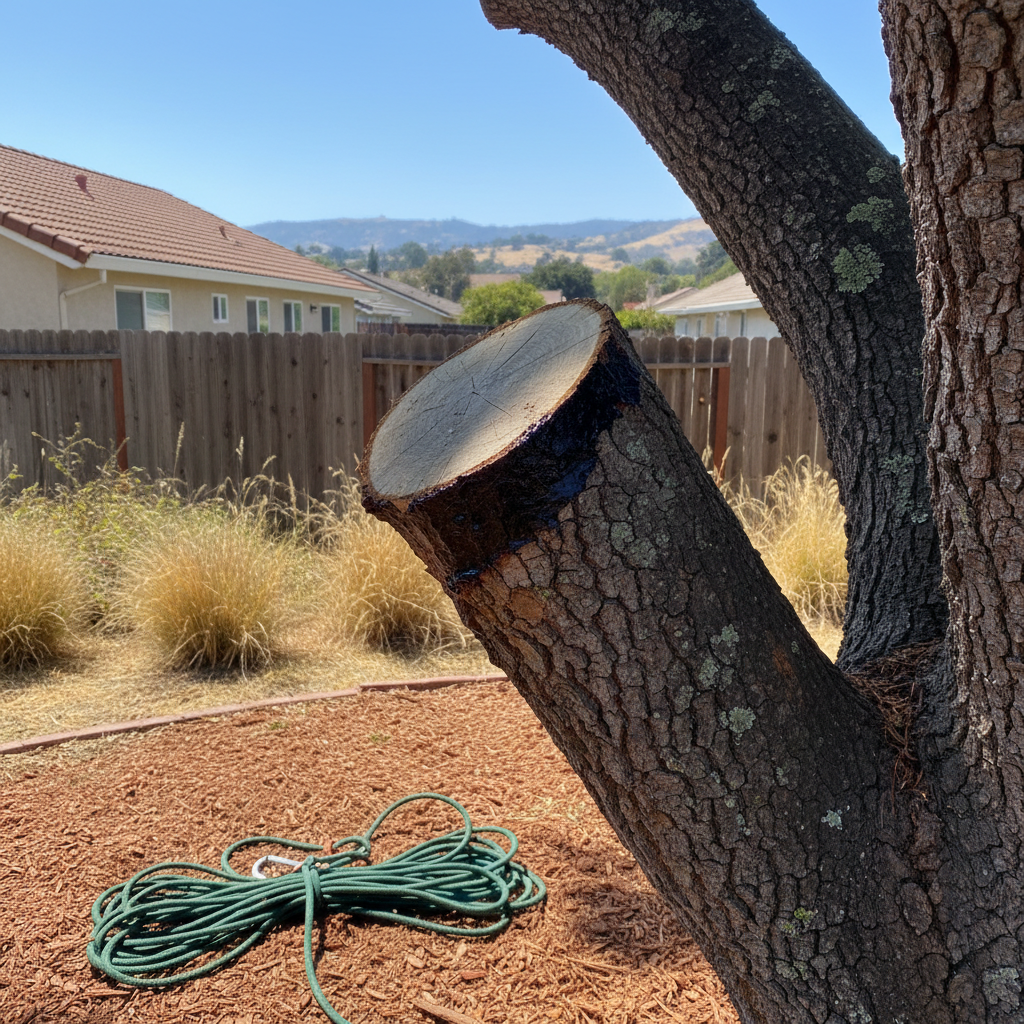
My tree looks sick. How can I tell what's wrong with it?
This is probably the most common question I get, and honestly, it's a tough one to answer without seeing the tree. But here's what I tell folks to look for. First, check the leaves. Are they discolored? Yellowing, browning, or spots? Are they wilting or dropping prematurely? That's a big red flag. Then, look at the branches. Are there dead branches? Is the bark peeling excessively, cracking, or showing strange growths like fungus? Sometimes you'll see sap oozing out. Another thing to check is the base of the tree. Are there mushrooms or conks growing out of the trunk or root flare? Are there any signs of pests, like holes in the bark, sawdust, or webs? If you're seeing a combination of these things, your tree is definitely stressed and needs attention. Don't wait too long; a small problem can become a big one fast.
How often should I water my trees, especially during dry spells?
You'd think this would be simple, right? It's not a one-size-fits-all answer, especially with our variable weather here in San Lorenzo. Young trees, those planted in the last 3-5 years, need consistent deep watering. I'm talking once or twice a week, a slow soak for an hour or two, to encourage deep root growth. Established trees, especially our native oaks, are pretty drought-tolerant, but even they can suffer during extended dry periods. If we haven't had rain for a few weeks in the summer or fall, give them a deep drink every 2-4 weeks. The key is deep watering – you want the water to penetrate at least 12-18 inches into the soil. A simple way to check is to stick a screwdriver into the ground; if it goes in easily, you're doing good. Our clay soils here in the Bay Area can be tricky; they hold water but can also get compacted, so slow and steady is the way to go to avoid runoff.
Do my trees need fertilizer? If so, what kind and how often?
Most established, healthy trees don't actually need regular fertilization. They usually get what they need from the soil and decomposing organic matter. Think about it: in a forest, nobody's out there spreading fertilizer, and those trees do just fine. However, if your tree is showing signs of nutrient deficiency – like pale leaves, slow growth, or small leaves – then it might benefit from a boost. I usually recommend a slow-release granular fertilizer, often called a tree spike, that you can insert into the ground around the drip line. Avoid anything high in nitrogen unless you're trying to promote a lot of leafy growth, which isn't always best for tree structure. The best time to fertilize is in late fall or early spring before new growth starts. But before you grab the fertilizer, get a soil test. That'll tell you exactly what your soil is missing, so you're not just guessing.
What's the deal with tree roots and my foundation/sidewalk?
Ah, the classic battle between tree roots and concrete. Tree roots are always looking for water and nutrients, and unfortunately, sometimes that means heading towards your house's foundation or lifting your sidewalk. This is a common issue in older San Lorenzo neighborhoods where trees were planted too close to structures. There are a few things that contribute to it: the type of tree (some are just more aggressive root-wise), how close it was planted, and soil conditions. If you're seeing cracks in your foundation or lifted concrete, it's time to get an arborist out. Sometimes, root barriers can help, but they're not a magic bullet. Other times, careful root pruning by a professional is necessary. Never just chop roots yourself; you can seriously destabilize the tree and even kill it. It's a delicate balance, and you want to protect both your property and your tree.
When is the best time to prune my trees?
Generally, the best time to prune most deciduous trees is in late fall or winter when they're dormant and have dropped their leaves. It's easier to see the tree's structure without the foliage, and the tree is less stressed. For evergreen trees, late winter to early spring, before new growth flushes out, is usually ideal. However, there are exceptions. Flowering trees are often pruned right after they finish blooming. Dead or diseased branches can and should be removed any time of year to prevent further issues. And if you have fruit trees, their pruning schedule is a whole different ballgame. The most important thing is to avoid heavy pruning during the hottest parts of summer or during periods of extreme stress for the tree. If you're unsure, or if it's a big job, just call Charis Tree. We know the local tree species and their specific needs.
Should I worry about pests and diseases? What can I do?
You absolutely should be aware of pests and diseases, especially with the way things are changing with our climate. We've seen an increase in certain issues over the years. Look for things like aphids, scale insects, or borers. Aphids leave a sticky residue called honeydew, and scale looks like little bumps on branches. Borers leave small holes and sawdust. Fungal diseases often show up as spots on leaves, powdery mildew, or cankers on branches. Early detection is key. If you catch it early, sometimes a strong jet of water can dislodge pests, or you can use horticultural oils or insecticidal soaps. For more serious issues, or if you're not sure what you're dealing with, don't just spray chemicals willy-nilly. You could do more harm than good. A certified arborist can diagnose the problem accurately and recommend the most effective and environmentally friendly treatment. We're here to help you figure out what's going on and how to fix it without damaging your tree or the surrounding ecosystem.