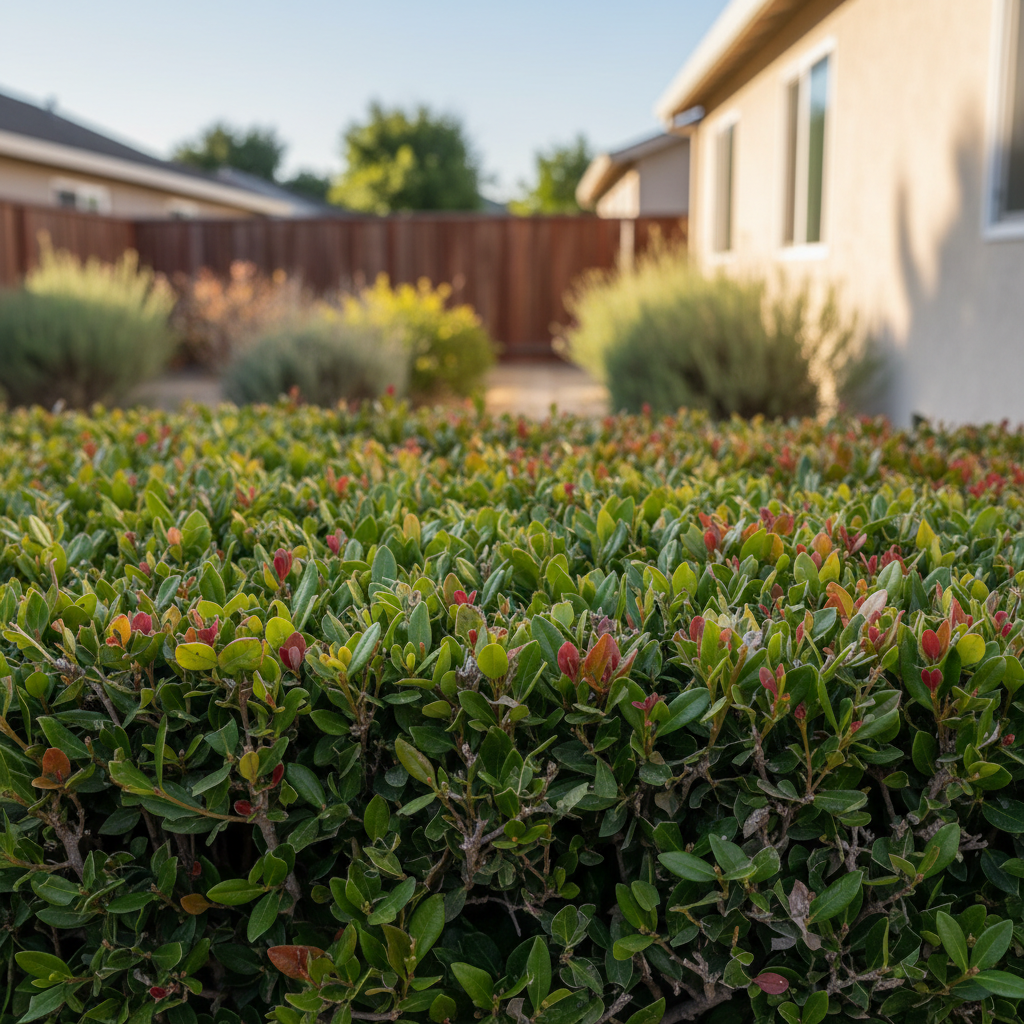
Got some shrubs or bushes in your yard looking a bit… wild? You're definitely not alone. Every spring and summer, my phone rings off the hook with folks in San Lorenzo asking about trimming. Sometimes it's a small job they can totally tackle themselves, and other times, well, it's a project that really needs a pro. Let's talk about what you should keep in mind.
Before You Grab Those Trimmers
First things first, you need a plan. Seriously, don't just go at it with a hedge trimmer. You'll end up with a mess, or even worse, a dead plant.
- Know Your Plant: Is it a flowering shrub? If so, when does it actually bloom? Some shrubs, like hydrangeas or azaleas, bloom on old wood. If you prune them at the wrong time (say, late fall or winter), you'll just cut off next year's flowers. Others, like roses or crape myrtles, bloom on new wood, so a late winter or early spring trim works perfectly. A quick search for your specific plant type can save you a lot of grief.
- Why Are You Trimming? Are you just shaping it up a bit? Removing dead branches? Maybe trying to make it smaller? Your goal really changes your approach. If you're just tidying, a light trim is fine. But if you're planning a major reduction, that's a whole different ballgame.
- Check for Wildlife: Especially in spring and early summer, birds might be nesting in your bushes. Take a good, close look before you start. You really don't want to disturb a nest, do you?
- Safety Gear: Don't skip this part, ever. Good gloves, eye protection, and sturdy shoes are absolutely essential. If you're using power tools, throw on some ear protection too.
Tools of the Trade: What You'll Need
Most homeowners won't need a whole arsenal of tools, but having the right ones makes a huge difference.
- Hand Pruners: These are great for small branches, up to about 3/4 inch thick. Get yourself a good bypass pruner; they make clean cuts that help the plant heal better.
- Loppers: For branches from 3/4 inch up to 1 1/2 or 2 inches. They've got long handles, which gives you more leverage.
- Hedge Shears: These are strictly for shaping hedges, not for taking off big branches. They're excellent for creating a nice, uniform surface.
- Pruning Saw: If you're dealing with branches bigger than 2 inches, you'll need a hand saw. Don't try to force loppers or hedge shears on something too big — you'll just hurt yourself or the tool.
- Ladder (Carefully!): If you need to reach higher branches, make sure your ladder is super stable and on level ground. And please, don't overreach.
During the Trim: How to Make Good Cuts
This is where the real work happens. Good cuts keep your plants healthy and just look better.
- Start with the Dead and Diseased: Always take off any dead, broken, or diseased branches first. Cut back to healthy wood. This helps air circulate and stops diseases from spreading.
- Remove Crossing Branches: Branches that rub against each other can create wounds, which are basically open doors for pests and diseases. Pick the stronger, better-placed branch and just remove the other one.
- Shape for Health and Looks: Step back often to see how your work is coming along. You want to keep the plant's natural shape; don't turn it into a perfect square unless it's a formal hedge. Aim for an open structure that lets light and air get into the middle. This is especially important for those dense laurels and privets you see all over the Estudillo Estates area; they can get really thick inside if you don't thin them out.
- Cut at the Right Spot: For smaller branches, cut about 1/4 inch above an outward-facing bud or a side branch. For larger branches, use the 'three-cut method' to stop the bark from tearing. First, make an undercut a foot or so from the trunk, then cut from the top a few inches further out, letting the branch fall. Finally, make your clean cut right back to the branch collar.
- Don't Overdo It: A good rule of thumb is to never remove more than 25-30% of a shrub's total foliage in one season. Too much pruning can really stress the plant out.
After the Job's Done
You're not quite finished yet!
- Clean Up: Rake up all the trimmings. Leaving them around can attract pests or diseases.
- Clean Your Tools: Wipe down your pruners and loppers. If you were cutting diseased branches, sterilize your tools with rubbing alcohol or a bleach solution to prevent spreading pathogens.
- Water (If Needed): If it's been dry, a good watering can help the plant bounce back from the stress of pruning.
- Observe: Keep an eye on your shrubs in the weeks that follow. Look for new growth, signs of stress, or any other issues.
When to Call Charis Tree (or Another Pro)
Look, I'm all for homeowners doing what they can. It's satisfying, and it saves you money. But there are definitely times when you should just pick up the phone.
- Size and Height: If the shrub is taller than you can comfortably reach with a pole pruner from the ground, or if you need a ladder to prune safely, it's time for a pro. Working on ladders with power tools is just too risky.
- Power Lines: Any shrub or tree near power lines is a definite no-go for DIY. Call the utility company or a professional arborist instead.
- Heavy Overgrowth/Major Reduction: If a shrub has been neglected for years and needs a serious overhaul, a pro can do it safely and effectively without killing the plant. We have the right equipment and the know-how for heavy structural pruning.
- Hazardous Plants: Some plants have thorns or irritating sap. If you're not comfortable dealing with them, don't force it.
- Lack of Knowledge/Confidence: If you're just not sure what you're doing, or you're worried about damaging an expensive plant, a professional consultation is absolutely worth it. We can tell you what needs to be done and often do it faster and better.
- Time: Sometimes you just don't have the time or energy, and that's perfectly fine. We're here to help.
For smaller, manageable shrubs, go for it! You'll learn a lot and save some cash. But for anything big, complex, or potentially dangerous, don't hesitate to give Charis Tree a call. We're happy to take a look and give you an honest assessment.