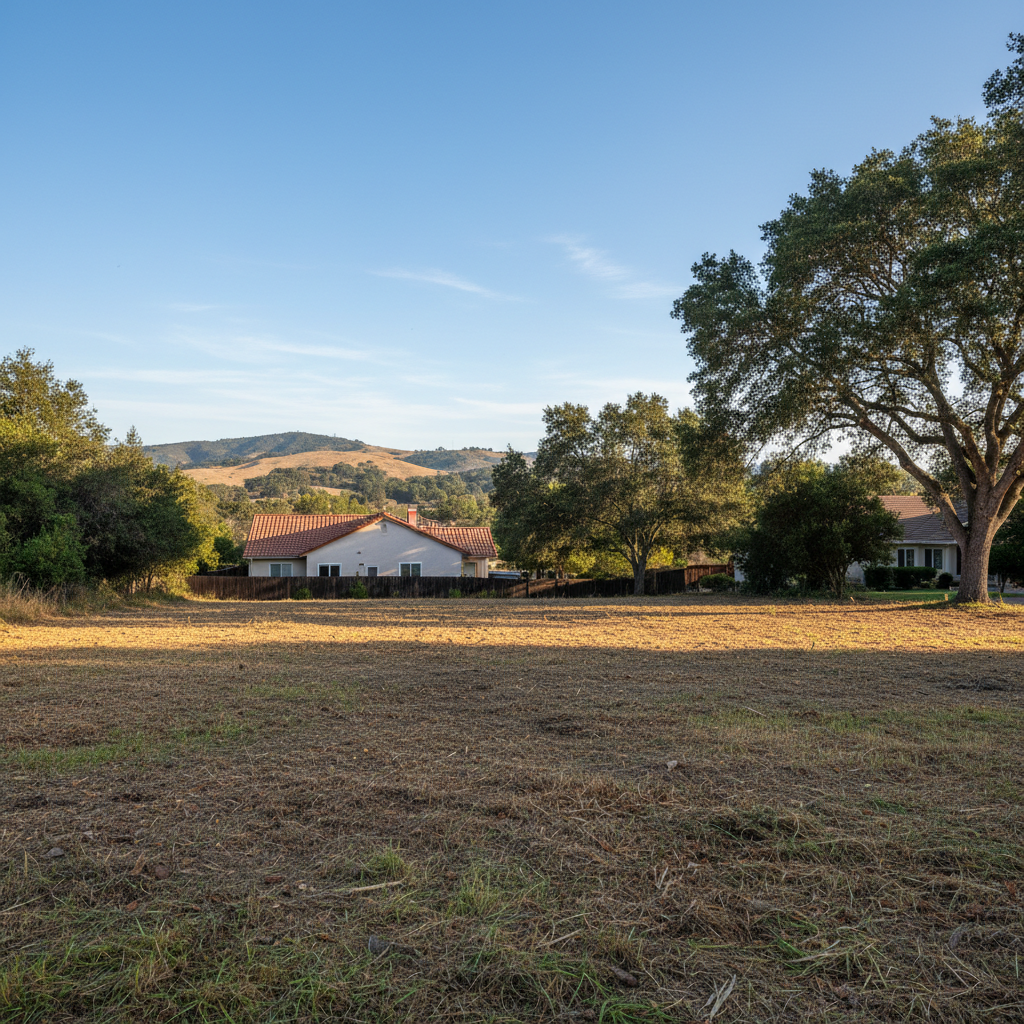
Okay, so you've had your lot cleared. Maybe it was for a new build, or to boost fire safety, or just to get some usable space back. Great! But that's not the whole story. If you don't keep up with it, that cleared land can turn into an overgrown mess faster than you'd think, especially here with our California climate.
How to Make Your Lot Clearing Last Longer
The best thing you can do to keep your lot clear for good is figure out what made it overgrow in the first place, then stop that from happening again. For many properties around San Lorenzo, especially those closer to the hills or with neglected back lots, it's usually a mix of invasive plants and just, well, not paying attention. We get a good amount of rain in the winter, then things dry out, but those roots are still there, just waiting to sprout.
Here's what I suggest:
- Mulch, Mulch, Mulch: After clearing, especially if we've left wood chips, spread them around. A thick layer of mulch (about 3-4 inches) smothers weeds by blocking sunlight. It also keeps the soil moist, which makes it harder for new growth to take hold. Plus, it breaks down over time, making your soil better.
- Plant Smart: If you're putting in new landscaping, pick plants that are native or don't need much water. You want things that won't get out of control quickly or demand constant, heavy trimming. Always think about how big a plant will get when it's fully grown.
- Deal with Stumps: If we didn't grind down stumps during the initial clearing, they're definitely going to sprout. You'll see new shoots popping right out of the old stump. Grinding them out completely is the best way to stop this.
- Stay on Top of Sprouts: Don't let little saplings become big headaches. Pull them when they're small – it's way easier than waiting until they've really dug in.
What Regular Maintenance Looks Like
Think of it like mowing your lawn, but you won't have to do it as often. You'll need to do some regular checks and a bit of light work to keep things tidy.
- Seasonal Walk-Throughs: I'd say at least twice a year, take a good, thorough walk around your property. Do one in late spring/early summer after the biggest growth spurt, and then again in the fall to catch anything that's appeared before winter. Look for new saplings, aggressive weeds, or any signs of brush coming back.
- Targeted Weeding/Brush Removal: When you spot new growth, deal with it. For small weeds, just pull them by hand. For bigger brush or saplings, you might need loppers or a brush cutter. The main thing is to get them before they establish deep root systems.
- Fire Safety Checks: Living here in San Lorenzo, especially if your property borders open space or older, dense neighborhoods, fire safety is a huge deal. Make sure you're keeping your defensible space clear. Get rid of dead leaves, dry grasses, and any "ladder fuels" that could carry fire up into trees or structures. This isn't something you can skip.
- Irrigation Checks: If you've got an irrigation system for new plantings, check that it's actually working well. Too much water can encourage weeds, and too little can stress your desired plants, making them more vulnerable to disease or pests.
Warning Signs of Trouble
You don't need to be an expert to see when things are going wrong. Just keep an eye out for these:
- Quick Regrowth: If you see a lot of new brush or saplings popping up fast, especially in spots that were heavily cleared, that's a red flag. It means the roots weren't fully dealt with, or there's a ton of seed in the soil.
- Invasive Species Taking Over: Watch for plants that seem to be growing quicker and more aggressively than everything else. Things like English ivy, broom, or even certain wild grasses can quickly choke out desirable plants and become a fire hazard. They often have a different leaf shape or color than the plants around them, don't they?
- Erosion: After clearing, particularly on sloped properties (and we've got plenty of those around the Bay Area!), you really need to watch for erosion. Bare soil is exposed. If you notice ruts, exposed roots, or soil washing away after it rains, you've got a problem that needs fixing.
- Pest Infestations: Sometimes, clearing can mess with local ecosystems. Keep an eye out for unusual insect activity or signs of disease on any plants that are left or any new ones you've put in.
When to Call a Professional
Look, you can handle a lot of this maintenance yourself, and I really encourage it. But there are times when you truly need to bring in someone with the right gear and know-how.
- Major Regrowth: If a big area has gone back to being dense brush and your hand tools just aren't cutting it, it's time to call Charis Tree. We have the heavy equipment, like brush mowers and chippers, to get it back under control safely and efficiently.
- Large Stump Removal: If your stumps are too big for a consumer grinder or are in tricky spots, don't even try to mess with them. Professional stump grinding gets the job done right and stops future sprouting.
- Erosion Control Problems: If you're seeing serious erosion, a professional can check out the situation and suggest solutions like terracing, retaining walls, or specific plants for erosion control.
- Hazardous Tree/Brush Removal: Any time you're dealing with big trees, brush near power lines, or on steep slopes, call us. It's just not worth the risk of injury or property damage.
- Fire Abatement Compliance: If the fire department sent you a notice, or you just want to be sure your property meets defensible space rules, a professional can help you get and stay compliant. We know the local regulations well.
Keeping your cleared lot clear isn't a one-and-done kind of thing. It's an ongoing process, but by staying on top of it, you'll protect your investment, make your property safer, and keep it looking good for years to come.