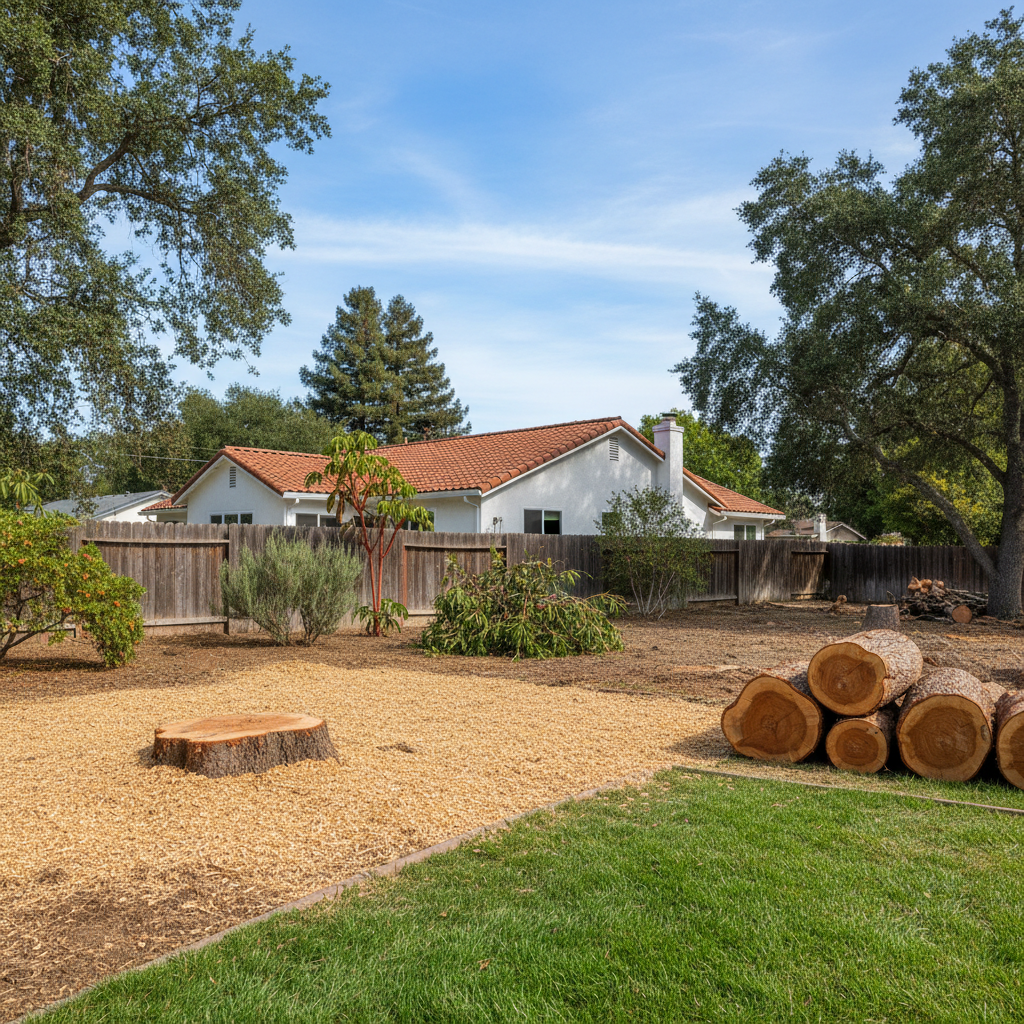
So, you've had a tree come down, or maybe we just took out a dangerous one for you. That's a huge relief, right? You got rid of the immediate hazard. But here's the thing: emergency tree removal isn't just a one-and-done deal. It's often the start of a new chapter for your yard, and you've got to keep an eye on things to make sure you don't end up with another problem down the road.
Extending the Life of the Work: What Happens After the Chainsaws Stop?
When we talk about 'extending the life of the work' after an emergency removal, we're really talking about the health of the surrounding landscape and preventing new issues. If a tree fell, it likely impacted the soil, maybe damaged other plants, or left behind a big stump. That stump, if not removed, can become a home for pests like termites or carpenter ants, which you definitely don't want spreading to your house. We always recommend grinding those stumps down below grade. It clears the space, eliminates a pest haven, and lets you replant or re-landscape properly.
Also, think about what caused the emergency. Was it disease? Weak roots? If so, you need to assess the health of any nearby trees that might be susceptible to the same issues. Sometimes, one bad tree is a symptom of a larger problem in your yard.
Regular Maintenance: Your Post-Removal Checklist
Once the immediate danger is gone, regular maintenance shifts to prevention. Here's what I tell folks:
- Keep an eye on the soil: Especially if a large tree was removed, the soil structure can change. Heavy rains, common in our winter months here in San Lorenzo, can lead to erosion where the root ball used to be. You might need to add soil, compost, or even plant some ground cover to stabilize the area.
- Monitor surrounding trees: If the removed tree was diseased, check its neighbors. Look for similar leaf discoloration, cankers, or unusual growth. A proactive approach can save you a lot of headache and money.
- Prune for health: Any trees that were damaged by the falling tree will need proper pruning to help them recover. Don't just hack off broken branches; make clean cuts that promote healing and prevent disease entry.
- Water wisely: California's climate means we're always thinking about water. After a removal, new plantings will need careful watering, especially during our long, dry summers. But don't overdo it on established trees; too much water can also lead to root rot.
Warning Signs: What to Watch Out For
You're not a tree expert, and you don't have to be. But you can spot the obvious stuff that tells you it's time to call someone like us at Charis Tree. Here are some red flags:
- New cracks or splits: Look at the trunks and major branches of your remaining trees. New cracks, especially deep ones, are a sign of structural weakness.
- Leaning: If a tree starts to lean suddenly, or if an existing lean gets worse, that's a serious problem. It means the root system might be failing.
- Dead branches: A few dead twigs are normal, but large dead branches (especially if they're overhanging your house or a walkway) are a hazard waiting to happen.
- Fungal growth: Mushrooms or other fungi growing at the base of a tree, or on its trunk, can indicate internal decay.
- Pest activity: Sawdust-like material, tunnels in the bark, or excessive insect activity can point to borers or other pests that are weakening the tree.
- Root issues: Roots lifting out of the ground near the tree's base, or large roots that look rotten, are a major concern.
When to Call a Professional
Look, you're busy. You've got a life. You shouldn't have to worry about every single leaf on your trees. But when you see those warning signs, or if you just have a gut feeling something isn't right, that's when you call us. Don't wait until a branch falls on your car or a tree threatens your fence line. Early detection and intervention can prevent another emergency.
Specifically, if you're seeing significant deadwood, trees that look like they're leaning more than they used to, or any signs of decay or pest infestation, get a professional opinion. We can assess the situation, identify potential hazards, and give you clear options. It's always better to be proactive, especially with the older trees you see in many of the established neighborhoods around San Lorenzo, where trees have been growing for decades and might have unseen issues.
Taking care of your trees after an emergency removal isn't glamorous, but it's crucial for keeping your property safe and beautiful. A little attention now can save you a lot of trouble later.