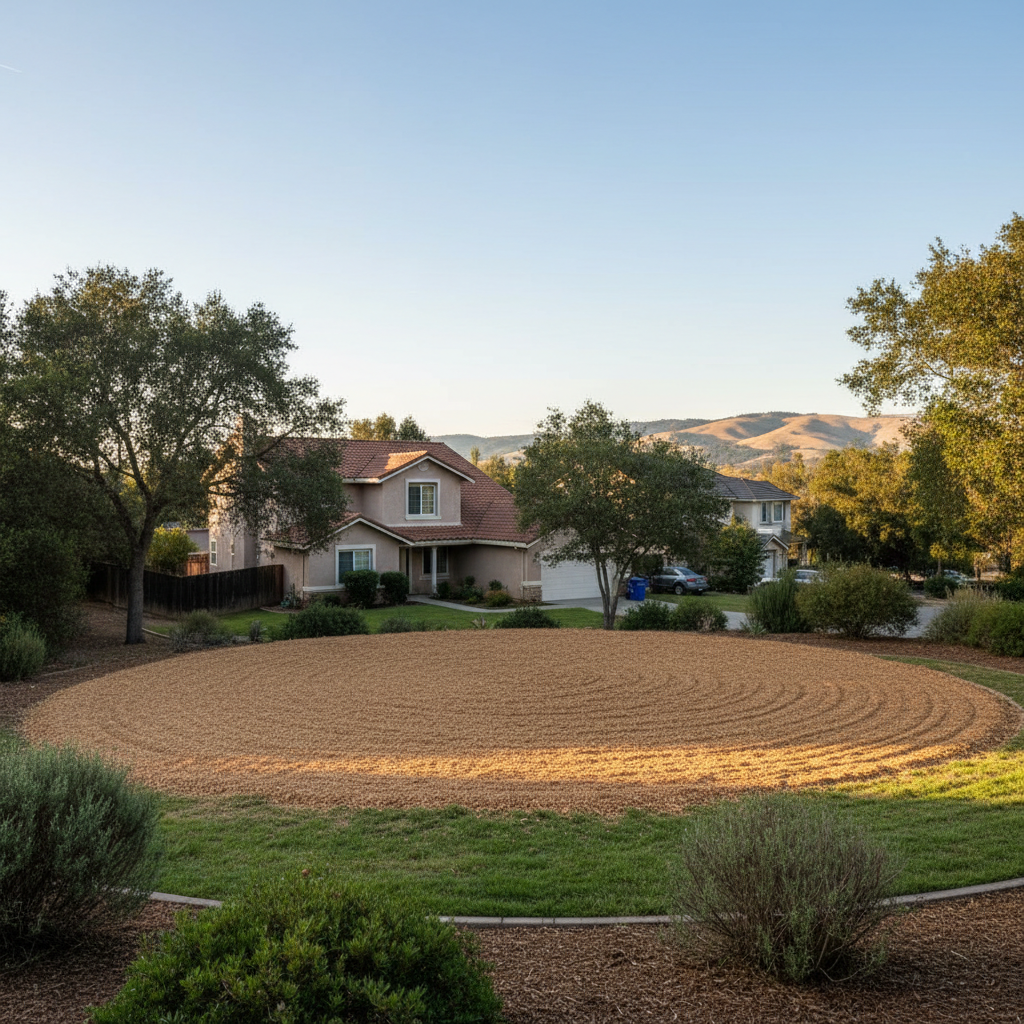
So, you've had a tree removed from your San Lorenzo property. Maybe it was a hazard, maybe it was just in the way, or maybe it was one of those old, thirsty eucalyptus trees that just sucks up all the water from your other plants. Whatever the reason, the big job is done. But here's the thing: tree removal isn't a 'set it and forget it' kind of deal. You've still got some work to do to make sure that spot stays clear and doesn't cause you headaches down the road. I've seen plenty of folks think the job's finished when the last log hits the chipper, and that's often when new problems start brewing.
Extending the Life of the Work (and Your Yard)
When we talk about 'extending the life of the work,' we're really talking about keeping the area where the tree used to be healthy and clear. The main thing after a tree removal is dealing with the stump and roots. If you opted for stump grinding, that's a great start. It removes the visible part of the stump and a good portion of the main root crown. But it doesn't get every single root. Those smaller roots can still be an issue, especially if you're planning to replant or build over the area.
After grinding, you'll have a pit filled with wood chips. You can leave those chips to decompose, which adds organic matter back to the soil, or you can remove them and backfill with fresh topsoil. If you're going to plant anything new, especially grass or a garden, you'll want to remove most of those chips and bring in good soil. Otherwise, the decomposing wood can actually steal nitrogen from your new plants, making them struggle. For those of you in the older San Lorenzo neighborhoods, where the soil can be pretty heavy clay, adding compost and good topsoil after a removal is even more critical to improve drainage and fertility.
Regular Maintenance: What You Need to Do
Your regular maintenance after a tree removal really depends on what you plan to do with the space. If you're just letting it go back to lawn, you'll need to keep an eye on the ground settling. The soil and wood chips in the stump hole will compact over time, creating a depression. You'll want to add more soil as needed to keep it level with the rest of your lawn. This prevents tripping hazards and makes mowing easier.
If you didn't grind the stump, you're looking at a different kind of maintenance. You'll need to keep an eye out for new growth, called 'suckers' or 'epicormic sprouts,' coming from the stump or roots. These are the tree's last-ditch effort to regrow. You'll need to cut these back regularly, right at their origin point, to eventually exhaust the root system. Some folks use stump killer chemicals, but you've got to be careful with those, especially if you have pets or other plants nearby. Always follow the directions precisely.
Warning Signs of Problems
Even after a tree is gone, it can still cause trouble. Here are some things to watch for:
- New Sprouts: Like I mentioned, if you see green shoots coming up from the stump or even a few feet away, that's a sign the roots are still alive and kicking. You need to deal with these promptly.
- Fungal Growth: Mushrooms or other fungi growing on or around the old stump, or even in the soil where the tree used to be, can indicate decaying wood below ground. While some decay is natural, excessive fungal growth can sometimes point to deeper issues or attract pests.
- Ground Settling: A significant dip in the ground where the stump was ground out means the fill material is decomposing or compacting too much. This can create drainage problems or become a hazard.
- Pest Activity: Termites, carpenter ants, or other wood-boring insects love decaying wood. If you notice signs of these pests in the area of the old tree, it's a red flag.
Remember, we live in California. Our dry summers and wet winters can accelerate decay or, conversely, keep roots alive longer than you'd expect. The moisture from our winter rains can really get those dormant root systems trying to sprout again.
When to Call a Professional
You can handle a lot of this maintenance yourself, but there are definitely times when it's smart to call in the pros again. Don't hesitate to reach out to a company like Charis Tree if:
- You're overwhelmed by persistent sprouting: If you're constantly cutting back suckers and they just keep coming, you might need a more aggressive approach, like a chemical treatment applied by someone who knows what they're doing.
- You suspect a pest infestation: If you see signs of termites or other wood-destroying insects near the old tree site, get an expert out there immediately. You don't want those critters moving into your house.
- You have significant ground settling: If the ground keeps sinking and you can't seem to get it level, or if it's causing drainage issues, we can assess the situation and recommend the best way to backfill and stabilize the area.
- You're planning a major landscape change: If you want to put in a new patio, foundation, or significant planting bed where the tree was, you'll want to make sure all major root systems are truly dead and won't interfere with your new project. Sometimes, a deeper grind or root removal is necessary.
Taking care of the site after tree removal isn't the most glamorous part of yard work, but it's crucial for keeping your property safe, healthy, and looking good. A little bit of attention now can save you a lot of headaches and expense later on.